
Whether you’re lacing up your trail running shoes, prepping your mountain bike, or heading out for a weekend of beach volleyball, having the right sporting goods can make all the difference in performance, safety, and enjoyment. In this comprehensive guide, you’ll learn how to choose essential outdoor sporting gear, avoid common buying mistakes, and optimize your active lifestyle — no matter your skill level.
Understanding Sporting Goods for Outdoor Sports
Sporting goods cover a wide range of equipment, apparel, and accessories designed to enhance performance and keep you safe while playing sports. But when it comes to outdoor sports, factors like weather resistance, durability, and portability become especially important.
What Makes Outdoor Sporting Goods Different?
Outdoor sporting goods aren’t just standard gear — they’re engineered to withstand unpredictable elements:
- Weather conditions — rain, wind, heat, or cold
- Terrain challenges — sand, mud, rocks, and slopes
- Extended use — long hikes, multi‑day trips, or full‑season play
Knowing how to choose the right gear can elevate your experience and prevent injuries.
Choosing the Right Sporting Goods: 5 Actionable Tips
Choosing outdoor sporting goods doesn’t have to be overwhelming. Here are five practical tips that address common concerns and help you make informed decisions.
1. Prioritize Fit and Comfort
The most expensive gear in the world won’t perform well if it doesn’t fit you.
Key Considerations
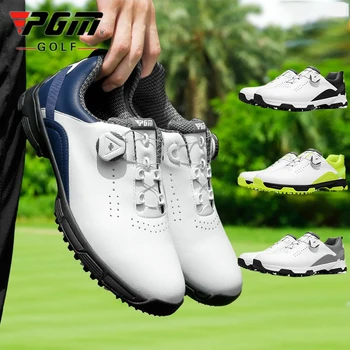
- For footwear, consider arch support, cushioning, and activity type
- For apparel, opt for moisture‑wicking fabrics and proper layering options
- Test equipment where possible (in‑store or with trial periods)
Example: Trail running shoes with enhanced traction and ankle support can reduce the risk of twists or slips on uneven paths.
2. Match Gear to Your Sport and Skill Level
Different outdoor activities require specialized equipment. Avoid generic gear for specialized activities.
When Buying:
- Mountain biking: a helmet with impact protection and gloves with padding
- Camping: lightweight tents and weatherproof sleeping bags
- Kayaking: personal flotation devices (PFD) rated for outdoor water use
This prevents overbuying costly pro‑level gear if you’re a beginner and under‑equipping if you’re advancing.
3. Evaluate Durability and Material Quality
Outdoor gear must withstand more wear and tear than indoor equivalents. Look for:
- Reinforced seams and abrasion‑resistant materials
- UV‑resistant fabrics and rust‑proof hardware
- Stretchy yet strong materials for mobility
Stat trend: According to recent industry data, 72% of outdoor sports enthusiasts value durability over price when selecting gear, because long‑lasting equipment reduces replacement costs over time.
4. Understand Safety Features That Matter
Safety isn’t optional — it’s essential, especially for high‑impact outdoor sports.
Safety Essentials by Sport
| Outdoor Sport | Critical Safety Gear |
| Cycling | Helmet, reflective gear |
| Rock climbing | Harness, carabiners, helmet |
| Watersports | PFD, water shoes, safety whistles |
| Trail running | Hydration pack, sun protection |
Proper safety gear protects you and builds confidence while exploring new terrains.
5. Research and Read Reviews Before Buying
Online reviews, expert gear tests, and sporting forums offer tremendous insight — especially from people with similar goals.
- Search for “best outdoor sporting goods for beginners” + your sport
- Look for long‑term review feedback vs. one‑time impressions
- Compare features side by side before purchasing
This reduces buyer’s remorse and improves long‑term satisfaction.
Common Questions Outdoor Athletes Ask (and Answers)
What Sporting Goods Should a Beginner Invest In First?
Start with the basics that apply across multiple activities:
- Quality athletic footwear
- Weather‑appropriate apparel
- Hydration system (bottles or packs)
- Sport‑specific safety gear
Getting this foundation right makes progression smoother.
How Often Should I Replace My Sporting Gear?
It depends on usage. Heavily used equipment (like trail shoes or cycling helmets) might need replacement every 6–18 months, while durable items (like backpacks or tents) can last several seasons with proper care.
Outdoor Sports Trends Shaping Sporting Goods in 2026
Staying ahead of trends helps you invest wisely:
- Sustainable materials: Recycled and eco‑friendly gear is growing in popularity
- Smart tech gear: GPS watches, performance trackers, and integrated sensors
- Modular gear systems: Mix‑and‑match components for versatile use
These innovations not only improve function but also support environmental consciousness.
Choosing the right sporting goods for outdoor sports doesn’t have to be complicated. By prioritizing fit, safety, durability, and quality, you’ll enhance performance, avoid common mistakes, and enjoy your favorite activities longer. Remember, the best gear supports your goals — not just your budget.
If you found this guide helpful, share this post and subscribe to our newsletter for more expert tips on outdoor fitness, gear reviews, and seasonal guides.

0 Comments